
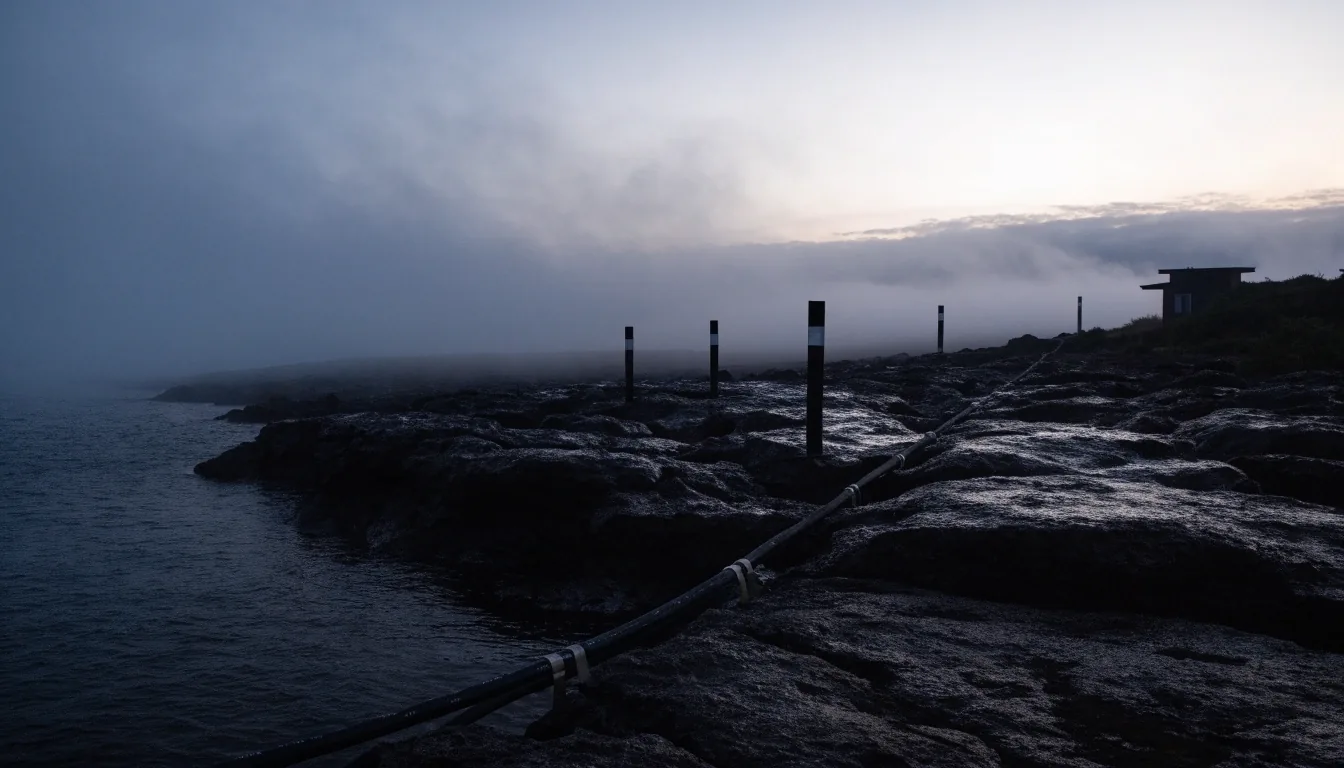
Submarine fiber cable coming ashore at dusk with route markers along a fogged coast
Infrastructure 8 October 2026

Cloud giants seek new land routes for internet traffic around the Red Sea

Google, Meta, and Microsoft are reported to be securing backup land routes as risk to subsea cables in the Red Sea rises. More than 90 percent of data capacity between Europe and Asia runs through cables under that water.

Corridor
Red Sea
Europe–Asia capacity
Above 90 percent
Under discussion
Overland fiber

Why the Red Sea corridor matters

The route carries the bulk of Europe-to-Asia data capacity. When a cable in that corridor is damaged or threatened, traffic reroutes through other paths, latency rises, and the effect reaches users who have never thought about a cable ship.

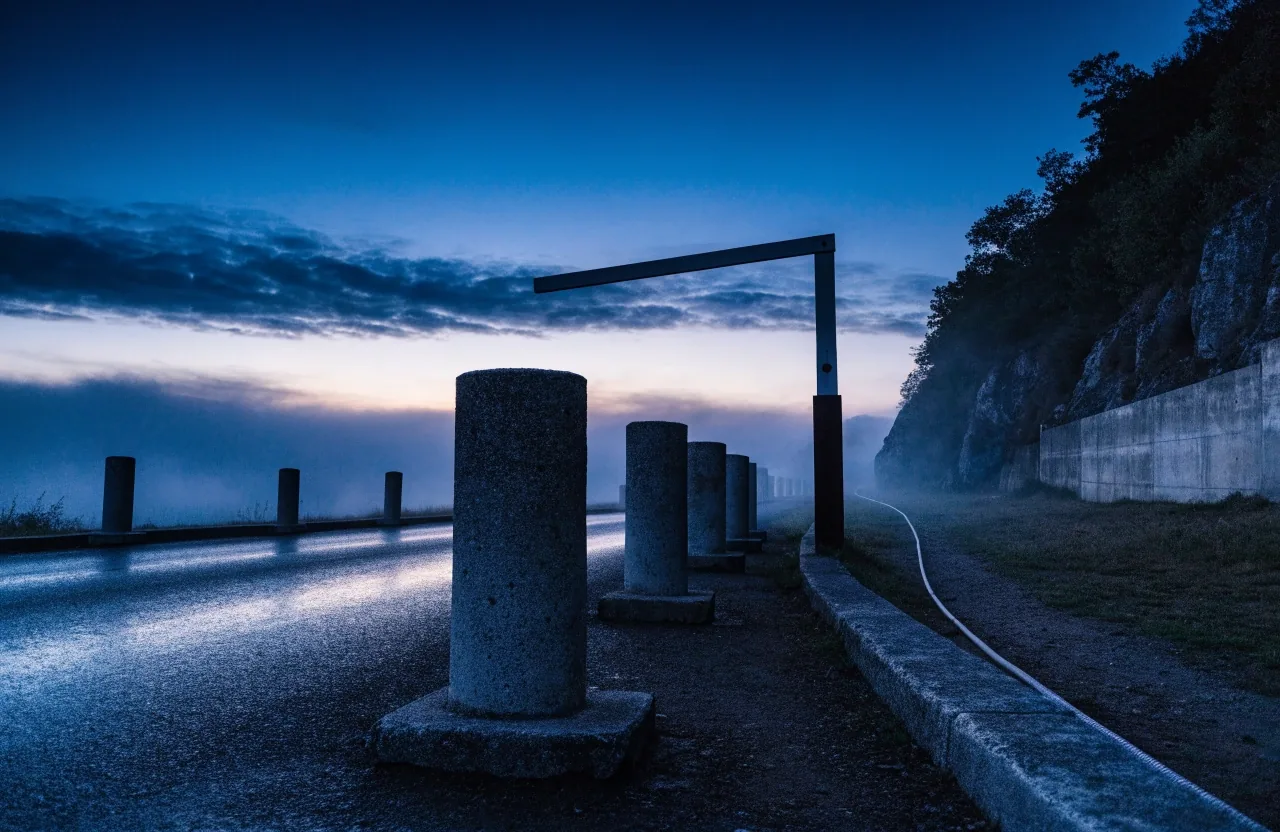
Utility poles carrying fiber receding along a fogged valley road at dusk
Land routes cross borders a subsea cable never touches

Why one corridor

The corridor is the shortest underwater path between two large markets. Concentration here is a design consequence, not an accident.

What a cut does

Traffic shifts to longer paths. Round trips stretch, and a reader in Seattle notices an evening call to Asia breaking up.

Who feels it first

The rerouting work is mostly invisible. It shows up as a slow evening, a laggy video call, or a stream that buffers when it usually does not.

The route in one line

Building land routes is not a replacement strategy; it is an insurance policy written because insurance costs less than an outage.

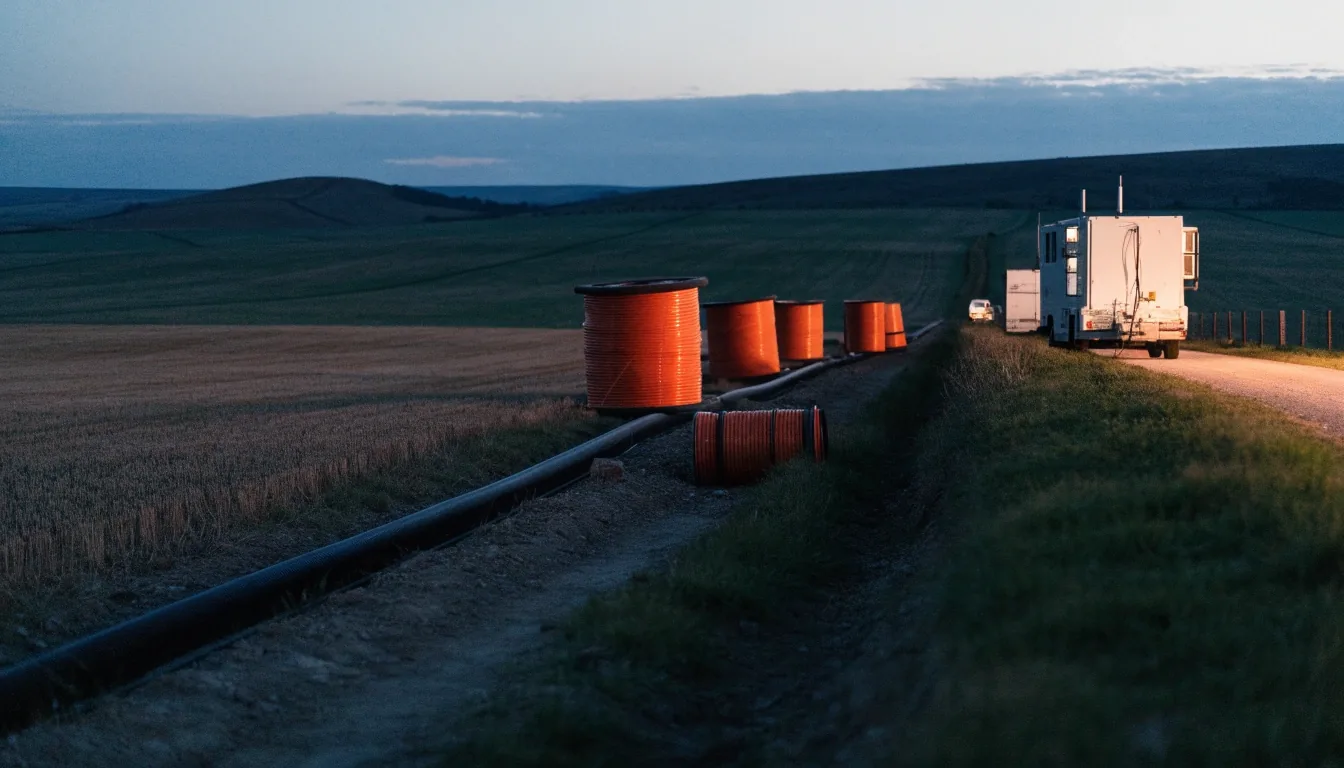
Fiber riser cable climbing a wooden utility pole at night beside a rural road

The land route alternative

Land routes cross multiple countries and require permits, landing stations, and fiber over long distances. They carry less capacity and cost more per bit than a subsea link.

Follow the infrastructure beat

Capacity

A subsea cable pair moves far more traffic than overland fiber strings of comparable length. Land paths add capacity at the margin, not as a mirror.

Permits

Every border crossing needs its own agreement, and each landing station has its own landlord, power contract, and construction calendar.

Cost per bit

Overland links carry a higher cost per bit than a submarine system. That premium is what a buyer pays for a second path out of a chokepoint.

What it buys

Redundancy. When the water route is disrupted, the land path keeps a thin but working channel open while repairs finish.

Google, Meta, and Microsoft’s position

All three operate networks that carry enormous volumes of their own traffic, which means they have both the incentive and the balance sheet to fund alternate paths.

Reported posture

Reported efforts focus on securing capacity across overland routes as risk in the Red Sea corridor rises.

For a company whose services run continuously, a redundant path is operational infrastructure, not a luxury. The choice is between paying for land capacity now or explaining an outage later.

Press hall seen through an open loading dock at night with ink rolls in shadow

The same companies that fund alternate cables also run the services households use. Redundancy is a business line item with a measurable effect on evening traffic.

What this means for households

Consumers rarely see a cable disruption directly. The rerouting work is what keeps those effects brief, and the cost of that work eventually appears somewhere in the economics of the services people use.

What you notice

A slow evening on a connection that tested well last month, or a call to relatives overseas that lags more than usual.

What you rarely see

The cable ship, the repair window, or the engineer working out which alternate path has available headroom.

Why a test changes

A speed test measures the path your traffic takes that hour. When the route shifts, the number shifts with it, even if your equipment never moved.

What to do about it

Re-run your measurement at a different hour before you blame the router. Compare results across days, not minutes.

The wider subsea picture

The Red Sea is not the only corridor facing risk, but it is the most concentrated. Other routes have more alternative paths, which is why disruptions there tend to be absorbed quietly.

Where capacity is dense and alternatives are thin, a single incident can move traffic across the world’s networks in ways that are visible in latency measurements.

Dense corridor

Heavy traffic through a narrow set of cables means fewer spare paths when one goes down.

Thin alternatives

Fewer neighboring routes means absorbed traffic has fewer places to go without raising latency.

Where it shows

Latency shifts surface on measured routes, not in press releases about capacity planning.

Why it matters

A physical cut can reshape which network path a household’s traffic takes by the next morning.

Street of lit apartment windows seen across a dark road with a running cable in the foreground

Why we cover infrastructure

This newsroom covers internet infrastructure because it is the physical layer under every speed test. A household’s measured performance depends on the route its traffic takes, and that route can change overnight when a cable is cut.

Reporting on land routes is part of explaining why a connection that tested well last month may behave differently this one. That is also why our reviews separate what a provider controls from what the wider network does to a reading.

About the newsroom

What to watch

  1. 1

    Landing stations and overland fiber builds

    Concrete construction announcements are the sign a route is real rather than a memorandum of intent.

  2. 2

    Transit pricing along affected paths

    If buyers suddenly pay more to move traffic along an alternate corridor, the redundancy is being used, not just held.

  3. 3

    Published alternate-route capacity

    Carriers that put numbers on their backup paths are telling you the work has moved past the planning stage.

Quiet furnished room at night with a lamp and chair beside a curtained window

Keep reading

The physical layer decides what your speed test shows

Route changes are one of several reasons a reading shifts between months. If this week’s number looks wrong, start with the measurement method before you assume the connection changed.