
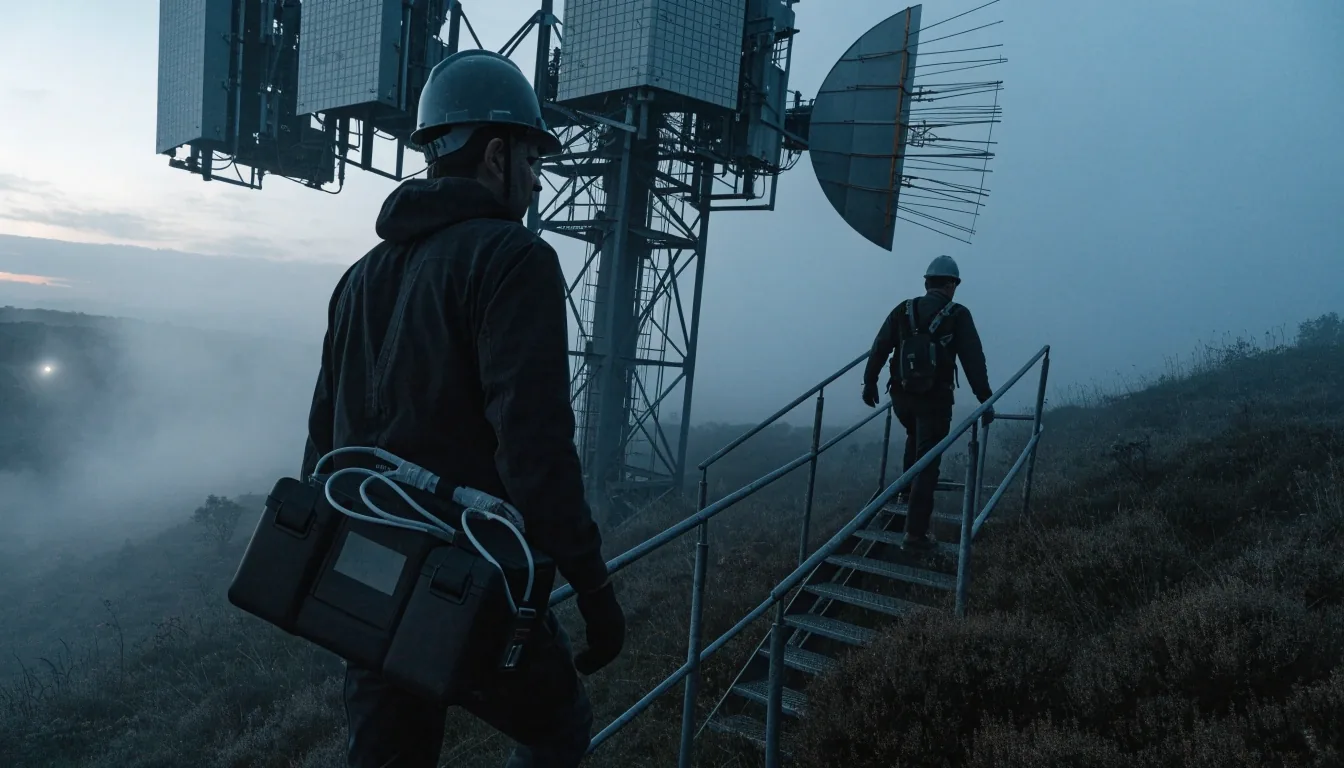
Spectrum desk
Spectrum policy and the capacity behind your speeds
Spectrum is where policy becomes physics. Every band carries different propagation behaviour, different incumbent users, and a different cost to clear. The decisions made about those bands set how much capacity carriers can deploy, and how quickly that capacity reaches a given neighborhood. This beat follows the studies, the auctions, and the assignments.
The Lonnard James Broadband Review spectrum desk. Reporting on the bands under study, the rules being written, and what each move means for a connection at an actual address — phone 3003 13, JesseGonzalez@lonnardjames.com.
How to read this beat
Five steps stand between a vacant band and a signal in your home.
Most spectrum headlines compress a slow process into a single dramatic verb. A band is "opened," a vote is "scheduled," a technology is "cleared." The reporting here works the other way around: it tracks each band from the engineering study that measures interference, through the rulemaking that sets sharing conditions, into the auction that hands out licences, and finally to the tower work that turns a licence into throughput.
That order matters to households, because the ceiling on capacity in a neighborhood is set long before anybody buys a router. A coverage map drawn in the year of the auction can still describe your street accurately in decade terms while saying nothing about what a speed test shows at nine in the evening. The gap between the two is usually a spectrum story, not a hardware story.
7 GHz
The 7 GHz study and its December deadline
An NTIA official said the 7 GHz study should be completed by December 2026. The FCC is then expected to propose auction rules soon after, which means the engineering findings will shape the licensing framework rather than the other way around. Until the study resolves sharing arrangements with existing users, no auction can be designed that would hold up to challenge.
Practically, that deadline order explains why so little about the 7 GHz band has been settled publicly. Interference questions have to be answered before anyone can write a band plan, because the plan is only as durable as the measurements under it. A licence condition that ignores a measured conflict gets contested, and a contested band generates no deployable capacity. For households watching this band, the December study is the point where speculation stops and rules start.
Where it stands
Engineering study in progress, sharing arrangements with existing users not yet resolved, auction design still unwritten.
What it unlocks
A defensible mid-band plan that carriers can build against without expecting a legal fight over the conditions.
Why 1.6 GHz comes next
A review of the 1.6 GHz band is expected to follow the 7 GHz work shortly afterward. The sequencing is deliberate. Studies that run in parallel tend to produce contradictory assumptions about interference, and the commission has learned to finish one band before opening the next. For anyone tracking auction timelines, the order matters more than the individual dates.

Sequenced studies travel down the same corridors the bands serve. Rural routes like this one depend on the bands that carry farthest per site.

How a band gets from study to auction
The path runs from an engineering study, to a proposed rulemaking, to a comment period, to a vote on final rules, to the auction itself. Each step can add months. A band that looks imminent in a news story may still be two years from a licence, and a band that looks dormant may be one vote away from moving.
-
1
Engineering study
Measured interference, propagation behaviour and the cost of clearing existing users. Nothing downstream is durable without it.
-
2
Proposed rulemaking
The commission publishes a draft band plan and sharing conditions. This is the first moment the shape of a licence is visible.
-
3
Comment period
Carriers, incumbents, equipment makers and public bodies argue over the draft. Real changes to power limits and sharing rules land here.
-
4
Vote on final rules
Conditions become binding. A band that stalls anywhere upstream can be one vote away from moving after this point.
-
5
Auction and build
Licences are assigned, then towers, radios and backhaul follow. Capacity reaches an address only after the build, not at the fall of the gavel.
Direct-to-device and the October 29 vote
The FCC said it will vote on October 29, 2026 on a new spectrum auction linked to direct-to-device services, intended to expand satellite-to-phone and similar connectivity. This is the clearest sign yet that regulators see satellite links as part of the mobile stack rather than a niche alongside it. The auction design will determine which operators, satellite or terrestrial, can bid.
The design question is the interesting one. If the rules restrict bidding to terrestrial carriers, satellite operators end up as wholesale suppliers to those networks. If satellite providers can hold licences directly, the arrangement changes and so does the price of reaching a phone in a place no tower serves. Either way, what a household experiences is a handset that keeps a signal where coverage used to end.
The Starlink Mobile waiver explained
The FCC cleared SpaceX to launch and operate 15,000 satellites for Starlink Mobile, and the approval included a waiver that makes it easier to offer satellite wireless service without a spectrum-leasing deal with a terrestrial carrier. Leasing arrangements have been the standard route for satellite operators wanting to serve handsets, and removing that step lowers the barrier considerably.
The old route
A satellite operator wanting to serve ordinary handsets had to lease spectrum from a terrestrial carrier already holding a licence, then work within that carrier's conditions on power, coverage and interference.
What changed
With the waiver in place, satellite service can be offered without that leasing deal first. Fewer parties have to agree before a handset can reach a satellite, which shortens the path from approval to service.
For readers tracking the practical side, the waiver matters less for its legal detail than for what it removes: a negotiation. Satellite coverage has always existed alongside mobile networks, but the handoff between the two has been contractual as much as technical. Cutting the contract step out shifts the questions toward engineering — how a phone selects a satellite link, and how that link holds up indoors.
Read the approval storyWhat band choice means for a household
Low bands travel far and penetrate walls, which suits rural coverage. High bands carry more data over shorter distances, which suits dense neighborhoods. Mid-band spectrum, including the 7 GHz range under study, is generally where the balance sits. That is why the outcome of a mid-band auction tends to show up in suburban and small-city service before anywhere else.
Band family
Reach
Where it fits
What a speed test tends to show
Low band
Travels far, passes through walls
Rural and edge-of-town coverage
Stable connection, modest peak throughput in the evening
Mid band
Balanced reach and depth
Suburbs and small cities
Higher evening throughput than low band where the radio count keeps up
High band
Short range, high volume
Dense neighborhoods with many radio sites
Large numbers close to a site, sharp drop indoors and at the block edge
Licensed, unlicensed, and shared access
Not all spectrum is auctioned. Some bands are unlicensed and open to anyone with compliant equipment, which is how Wi-Fi works. Others are shared under conditions that protect incumbent users, often government systems. When you read about a band being "cleared," the question to ask is which arrangement replaces the old one.
The three arrangements behave differently at an address. An unlicensed band is crowded by design and nobody guarantees your share of it, which is why home Wi-Fi slows down when neighbors are busy. An exclusive licence gives one operator control and an incentive to build, but nothing stops it from rationing capacity between plans. Shared access keeps an incumbent running while letting new users in under limits, so performance depends on how those limits are written and enforced. Reading a band's story means naming which of the three applies.
How the desk reports this beat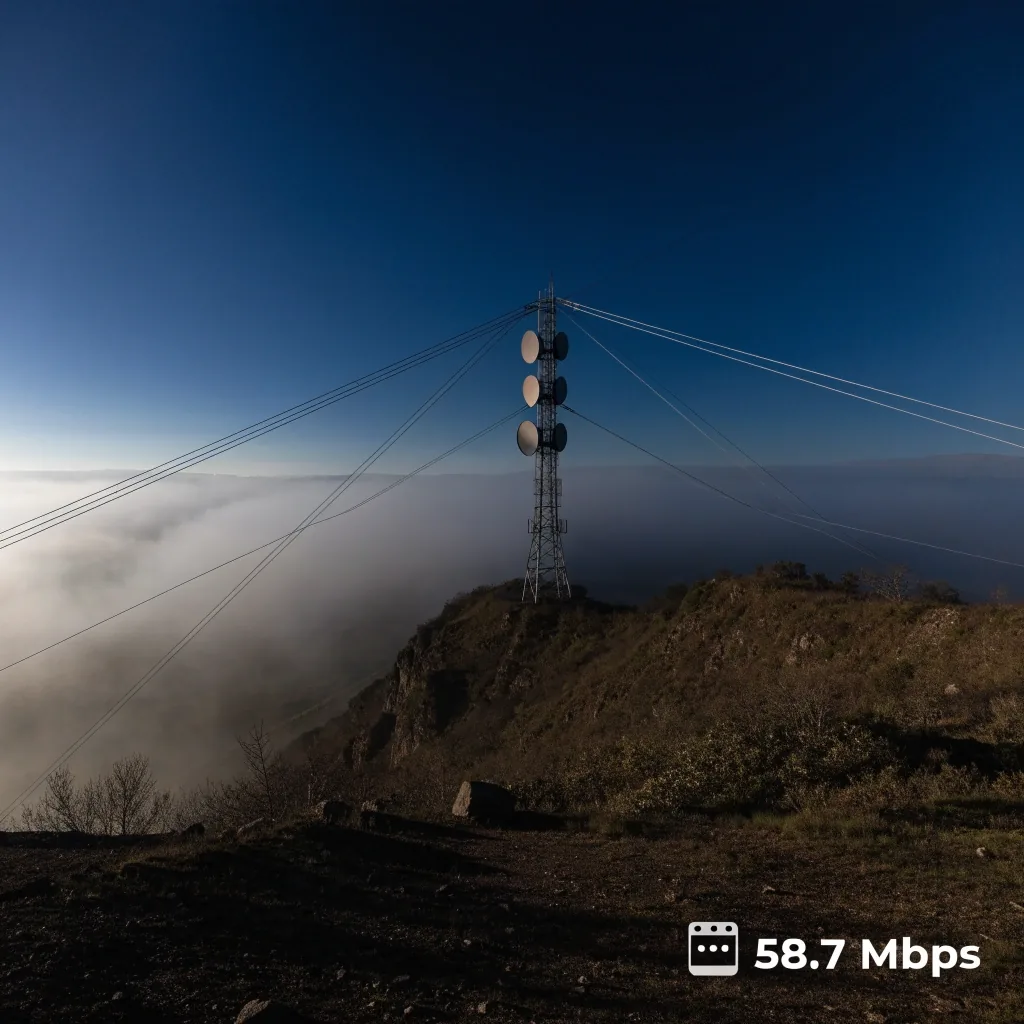
Shared bands work like a shared floor: capacity holds as long as the limits on each user are written clearly and checked.

Coverage claims and the capacity behind them
A carrier's coverage map describes where service is offered, not how fast it will be at your address during the evening. Spectrum holdings set the ceiling on capacity in an area, and capacity divided among subscribers is what produces real-world speeds. When a map and a speed test disagree, the spectrum allocation is often part of the explanation.
That is also why a run of good results one week proves less than people hope. Capacity per home is a moving figure: it rises when a carrier adds radios or buys licences, and it falls as more households on the same stretch of plant sign up. A speed test is a snapshot of that balance at one moment, taken from one device on one connection, which is exactly why the method matters. Testing at the same time of day, on the same device, with the same number of devices using the line, gives you a comparison you can actually trust.
Questions readers send the desk
The same handful of questions arrive after most spectrum stories. These are the answers, kept short.
Does an auction date tell me when I can get faster service?
No. An auction assigns licences. Service depends on the build that follows — tower work, radios, backhaul and the offer the carrier decides to sell. Realistically, capacity from a newly auctioned band shows up neighbourhood by neighbourhood over several years, and mid-band typically reaches suburbs and small cities before remote areas.
Why is one band studied before another instead of all at once?
Interference modelling is sensitive to assumptions. Run overlapping studies and you get conclusions that contradict each other, which leaves nobody able to write durable sharing rules. Sequencing the 1.6 GHz review behind the 7 GHz study keeps one set of measured assumptions in force at a time.
What does "cleared" actually mean for a band?
It means a new arrangement has replaced the old one — exclusive licences, unlicensed use, or shared access with protections for incumbent users. Which of the three decides how the band behaves in practice, so that is the detail worth checking in any story about clearing.
Can a satellite service replace my home connection?
Direct-to-device work is aimed at keeping a handset connected where terrestrial coverage ends, and the October 29 auction vote is about the rules for that. It is a different job from carrying a whole household's evening traffic, so treat the two as separate questions when you weigh options.
How do I compare two carriers fairly?
Measure at the same hours and on the same device, note how many other devices were active, and repeat over a week rather than once. Keep the readings beside the speeds each plan advertises, then check the spectrum behind the service — hold bands that carry far serve rural addresses, high bands serve dense ones, and mid band usually lands between.
Where to go next
Follow the bands, then test what you pay for
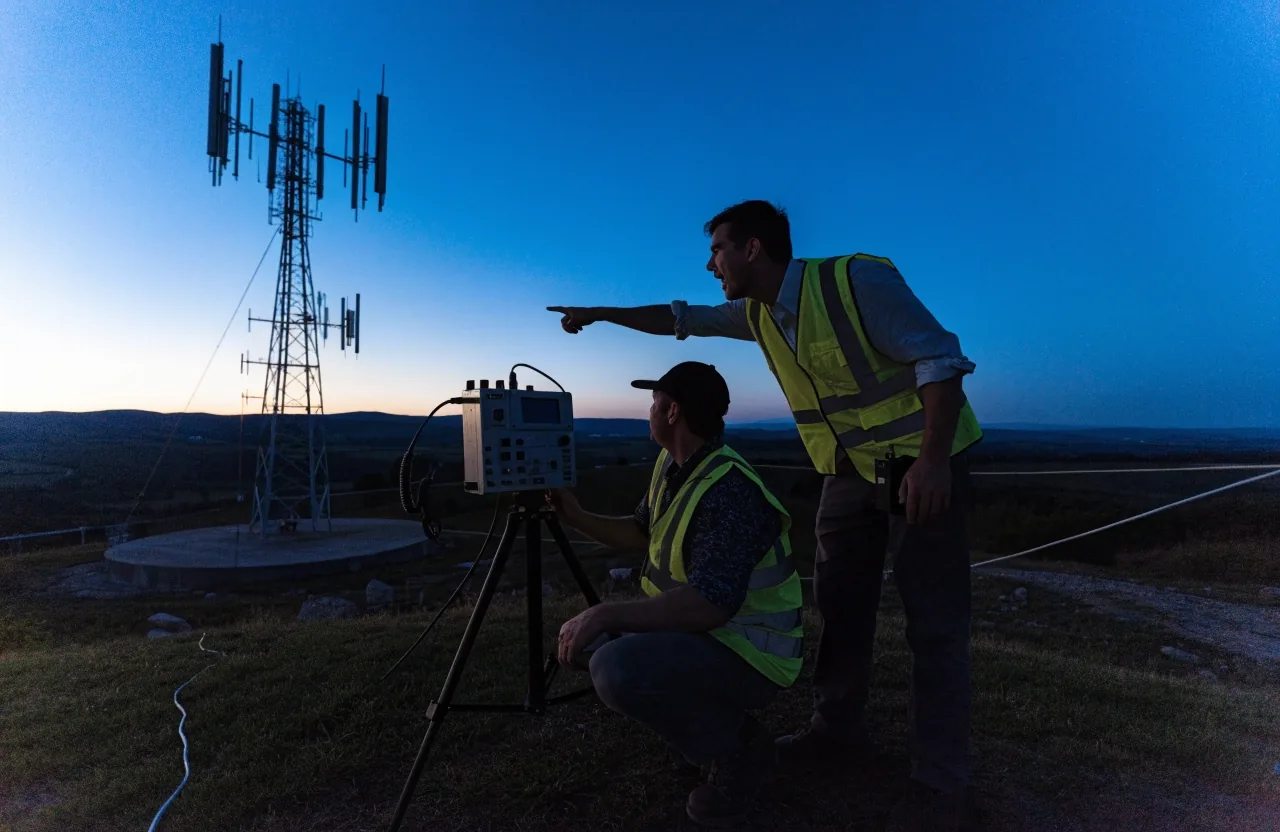
Spectrum decisions reach a neighborhood slowly, and the only way to see them arriving is to keep measuring at your own address. Read the studies as they close, watch the auction calendar, and put a repeatable speed test beside the plan you actually buy.
Lonnard James Broadband Review · 3003 13th Ave W, Seattle, WA 98119-2021 · 3003 13 · JesseGonzalez@lonnardjames.com · Monday to Friday, 9:00 AM – 6:00 PM