
Policy desk October 2026
FCC approves SpaceX Starlink Mobile satellites for direct-to-phone service
The commission cleared SpaceX to launch and operate 15,000 satellites, and it bundled in a waiver that lets the company sell satellite service to ordinary handsets without first leasing spectrum from a terrestrial carrier. That waiver, not the launch count, is the part U.S. mobile operators have reason to read closely.
What changed
Direct-to-device service has been treated as a specialty market, handled case by case at the FCC. This approval and the auction item that follows it on the same agenda put satellite links alongside licensed terrestrial service. If you test your connection regularly, that shift eventually shows up in the choices you get, not just in the headline.
What the approval covers
The authorization covers launch and operation of 15,000 satellites built for direct-to-phone service, meaning a standard handset reaches a satellite without a separate dish or terminal. That number is the tell. A constellation that size is aimed at broad coverage across latitudes rather than a niche for remote expeditions, and it implies a network engineered for continuous availability instead of occasional contact.
Orbit shell size also shapes what the service can be. More satellites overhead means shorter gaps between passes, and shorter gaps are what make a handset connection usable rather than a novelty. Coverage gaps narrow before data speeds improve.
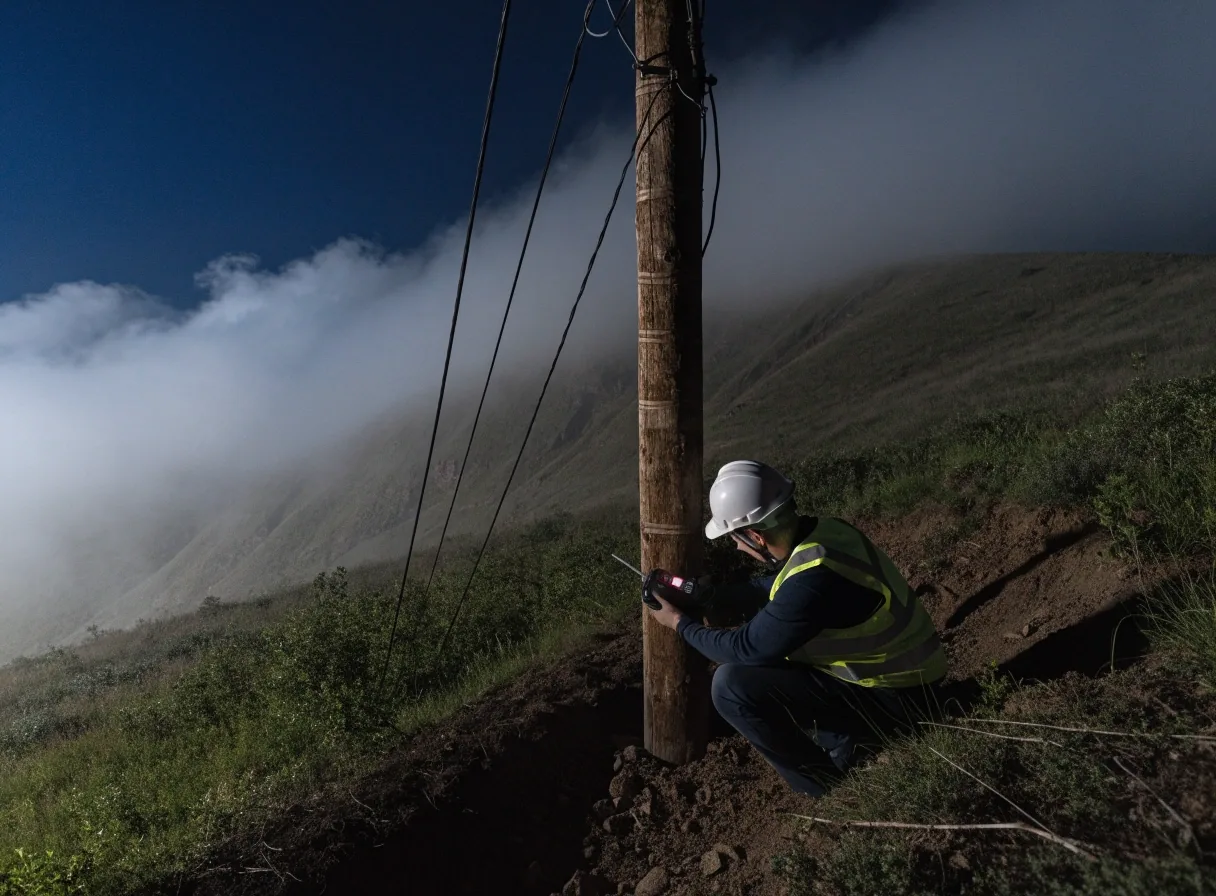
Satellite coverage starts at the edges of terrestrial networks — the roads and buildings where a tower signal struggles first.

Rulemaking
The waiver and why it matters
Leasing spectrum from a terrestrial carrier has been the standard route for satellite operators that want to serve handsets. The waiver eases that requirement. Two costs fall at once: the price of the lease itself, and the negotiating leverage a carrier holds over any satellite provider that needs one.
For SpaceX, the commercial path now runs through regulators and its own network rather than a partnership deal. That is a meaningful difference in timing. A lease negotiation can stall for months on terms that have nothing to do with whether the satellites work.
Cost
A spectrum lease is a recurring expense. Removing it changes the break-even point for service in low-density areas where revenue per subscriber is thin.
Leverage
A carrier that controls needed spectrum can set terms. Without the lease requirement, a satellite operator negotiates from a different position.
Timing
Regulatory review moves on a published calendar. Partnership talks do not. The waiver makes the schedule more predictable.
Competition with U.S. carriers
Direct-to-phone service competes at the edges of terrestrial coverage: rural roads, wilderness, and the inside of buildings where a cell signal is weak. That is exactly where carriers have historically sold roaming or offered nothing at all.
A satellite option that works with the handset already in someone's pocket changes the value of a carrier's rural footprint, even if it does not replace the network. The interesting question is not whether a satellite beats a tower on speed — it will not — but who gets paid when the tower falls out of range.
Terrain
Where terrestrial coverage thins out — long rural stretches, mountain roads, coastal inlets. The service is judged here first.
Buildings
Indoor reception is the ordinary test. A phone that connects from a basement or an interior room tells you how much of the market a satellite can actually address.
Roaming
Carriers sell roaming in places they do not cover. A satellite link that arrives without a partner agreement competes with that line item directly.
Handsets
Working with existing phones avoids the adoption problem that a dedicated terminal creates. It also sets a hard ceiling, because the antenna is whatever the phone already has.
Pricing
Whether the service lands as a safety feature bundled with a plan or as an everyday subscription is a pricing decision, and it is not settled yet.
Technical limits worth understanding
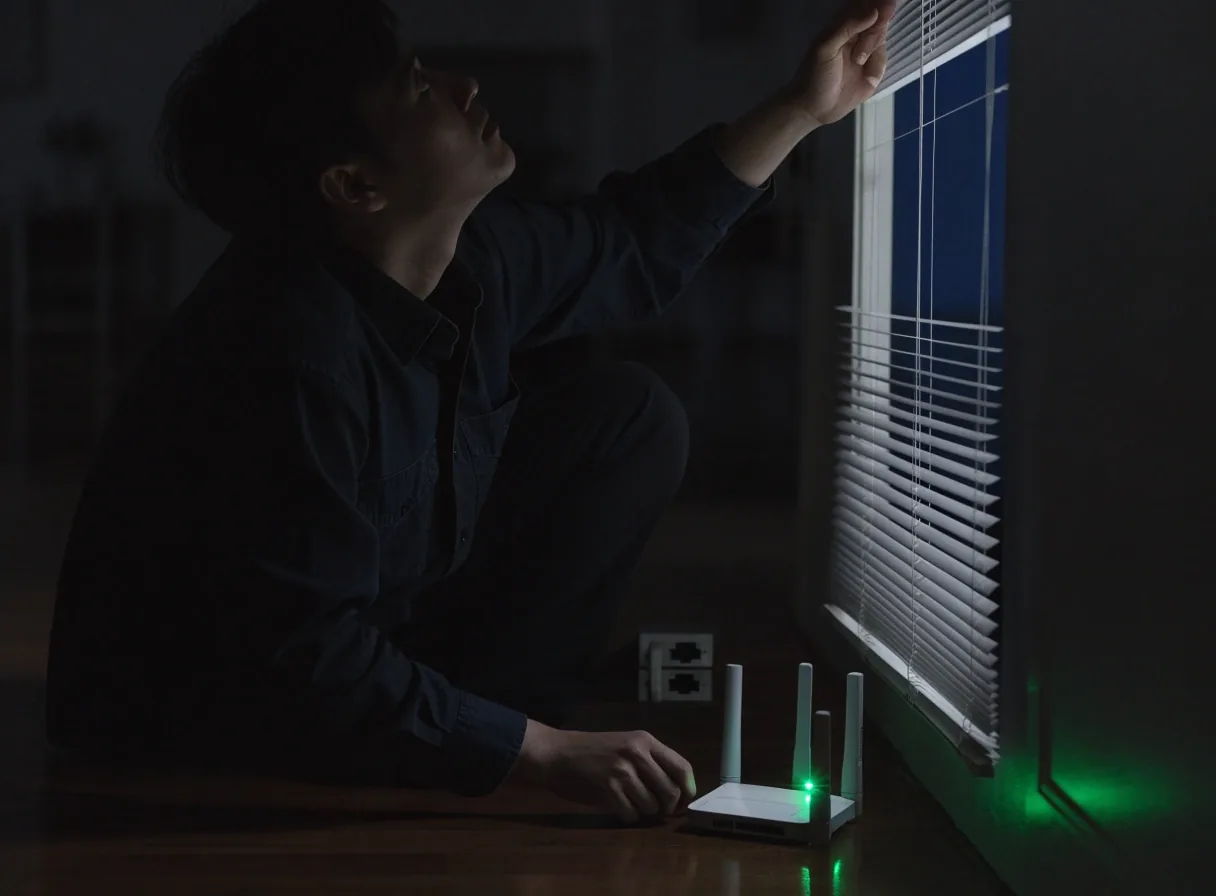
The equipment in your home is optimized for a tower a few hundred metres away, not a satellite moving overhead.
Satellite links to a handset face constraints that terrestrial networks do not. A phone's antenna is small and its transmit power is limited, and the satellite is moving quickly overhead. Capacity per cell is a fraction of what a terrestrial tower provides, which is why early direct-to-device service is likely to emphasize messaging and basic connectivity before anything resembling ordinary mobile data.
Antenna
Physical size sets the link budget. A pocket handset cannot match the gain of a dish or a fixed terminal, and no amount of satellite capacity fixes that on its own.
Power
Uplink power is capped by what a phone battery can sustain. Higher power would improve the link and drain the device, so the design trade is deliberate.
Motion
Low-earth-orbit satellites cross the sky in minutes. The handoff between passes has to be invisible, or the service feels like a dropped call every few minutes.
Shared capacity
Every handset in a satellite's footprint draws from the same pool. In a city at peak hour that pool is small; on a rural road it is comparatively large.

The October 29 auction connection
The FCC said it will also vote on October 29, 2026 on a new spectrum auction linked to direct-to-device services, intended to expand satellite-to-phone and similar connectivity. The approval and the auction are separate items on the same agenda.
Together they signal that regulators are treating satellite links as part of the mobile market rather than a specialty alongside it. An auction is how spectrum gets allocated when the commission expects real commercial demand. Scheduling one next to a launch approval is a statement about scale.
What the two items have in common
Both assume satellite-to-phone traffic is worth assigning licensed spectrum to. A launch authorization alone would not say that. An auction rules out the idea that direct-to-device stays a small side market served under waivers indefinitely.
Follow the votes
We track the agenda items and what each one changes for coverage and pricing, with dates and documents rather than summaries.
Track the Policy deskWhat to watch for next
The practical constraints on this service will surface in filings before they surface in marketing. Three things are worth following.
Launch cadence
Satellites on the ground do not carry traffic. Watch how fast the constellation actually fills out, and whether the first commercial service terms arrive with it.
Service pricing
Pricing decides whether direct-to-phone is a safety feature bundled with a plan or an everyday subscription. The two versions of this business are very different.
Interference filings
Coordination and interference paperwork is where the real limits show up — power levels, guard bands, and obligations that a press release will not mention.
Where a speed test fits into this
Satellite service will not arrive as a replacement for your home connection, at least not at first. It arrives as a patch for the places your connection fails: the cabin, the long drive, the building with thick walls.
A speed test tells you which of those places is actually a problem. If your terrestrial connection is slow at home and fast on the road, satellite service is solving a problem you do not have. If the opposite is true, this approval is the moment the alternative becomes plausible.
Before you compare plans
Run a wired and a wireless test at the same time of day, on the same device, and note what each one returns. Satellite capacity depends on time and place, so a single number taken once will not tell you much.
Run a reliable speed test
Keep reading
Where this story goes from here
The approval settles the launch question. What it does not settle is whether satellite service competes with a mobile plan on price, or simply fills the gaps a mobile plan never covered. We will keep reporting the filings, the auction schedule, and the first published service terms as they land.
Reach the desk at JesseGonzalez@lonnardjames.com or call +12064389529. Offices at 3003 13th Ave W, Seattle, WA, 98119-2021.