

Lonnard James Broadband Review
FCC seeks to advance direct-to-device spectrum auctions
The FCC said it will vote on October 29, 2026 on a new spectrum auction linked to direct-to-device services. The proposal is intended to expand satellite-to-phone and similar connectivity options, and it puts the commission on record about how much of the mobile market should be open to satellite operators.
What the auction is for
Direct-to-device service connects an ordinary handset to a satellite without a separate terminal. The auction would assign spectrum for that purpose, which means the licensing design determines which companies can build the service and where. The vote on October 29 is the step that opens the process rather than the one that finishes it.
That distinction matters for anyone following the satellite-to-phone market. An agenda item that starts a rulemaking usually produces a comment window, a draft order, and then final rules with deadlines built in. Licensing terms, coordination duties with terrestrial networks, and the bands on offer get settled in those later stages.
What changes once a handset talks to a satellite
- No dish, no terminal: the phone in a pocket is the whole ground segment.
- Coverage arrives in footprints, not in neighborhoods.
- Capacity per person drops sharply where many users share one pass.
The vote opens the process. The rules that follow decide who gets to build.
Who could bid
The design of the auction will decide whether satellite operators, terrestrial carriers, or both can participate. Rules on license areas, build-out deadlines, and caps on how much spectrum one company may hold in a market are the levers. Those choices shape competition more than the total amount of airwaves offered.
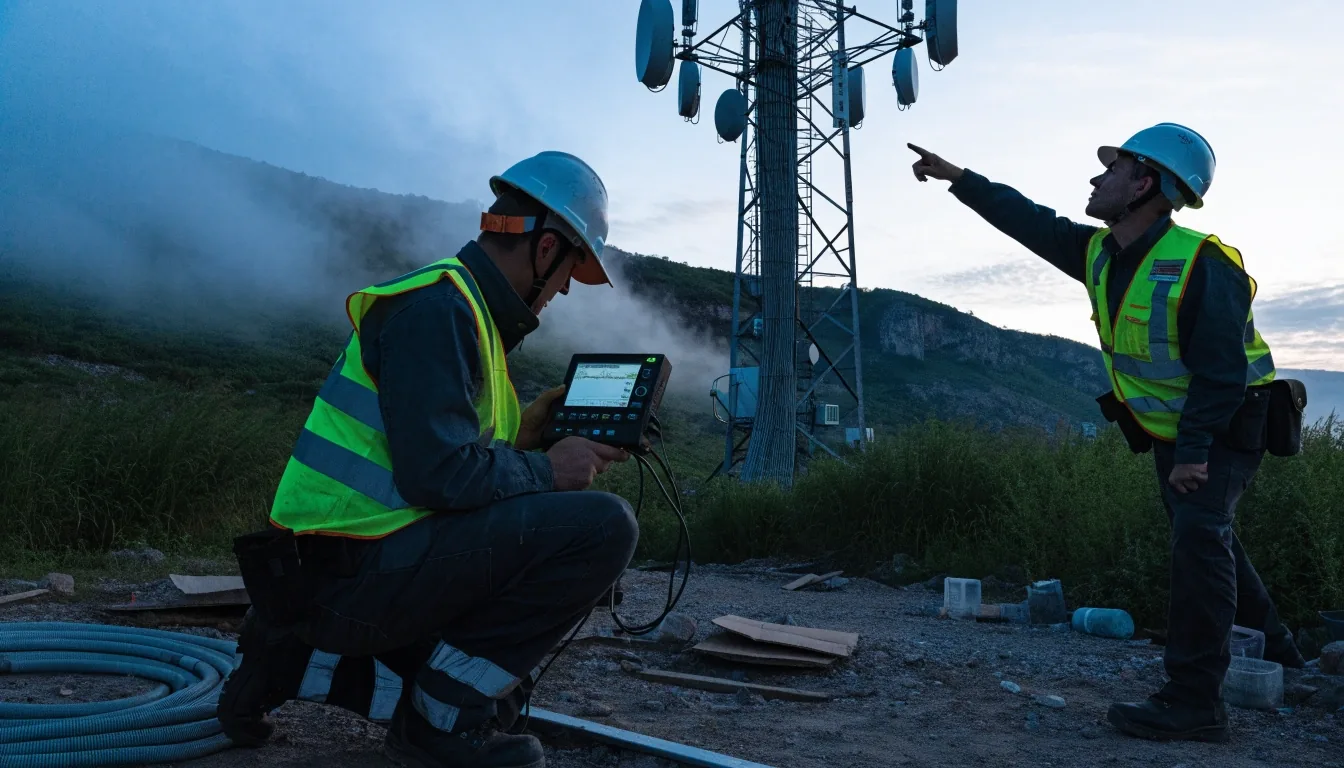
License areas
Whether airwaves are sold by region, by partial economic area, or by nationwide block decides how many bidders can realistically enter.
Build-out deadlines
Milestones turn a license into coverage. Weak enforcement leaves unused spectrum sitting on a balance sheet.

Why it sits alongside the Starlink approval
The FCC recently cleared SpaceX to launch and operate 15,000 satellites for Starlink Mobile, including a waiver easing the path to satellite wireless service without a spectrum-leasing agreement with a terrestrial carrier. The auction and the approval address the same question from two directions: whether satellite service competes with carriers or depends on them.
Read together, the two moves outline the commission's posture. One grants a constellation and removes a negotiating step; the other sets up a sale of airwaves that could let operators own the band they transmit on instead of leasing it. Both paths still require coordination with the networks already carrying most traffic.
Read the Starlink approvalHow direct-to-device differs from ordinary mobile
A terrestrial tower serves many users at once within a small area. A satellite covers a vast footprint with far less capacity per user, and a handset's antenna and power limits constrain the link further. Early service is likely to emphasize messaging and basic connectivity rather than streaming. Understanding those limits keeps expectations in line with what the technology can deliver.
That is also why a speed test run on a satellite link reads differently from one on fiber or cable. Latency climbs, throughput varies by pass, and results depend on satellite geometry rather than on the router in the room. Comparing the two without noting the link type confuses the comparison.
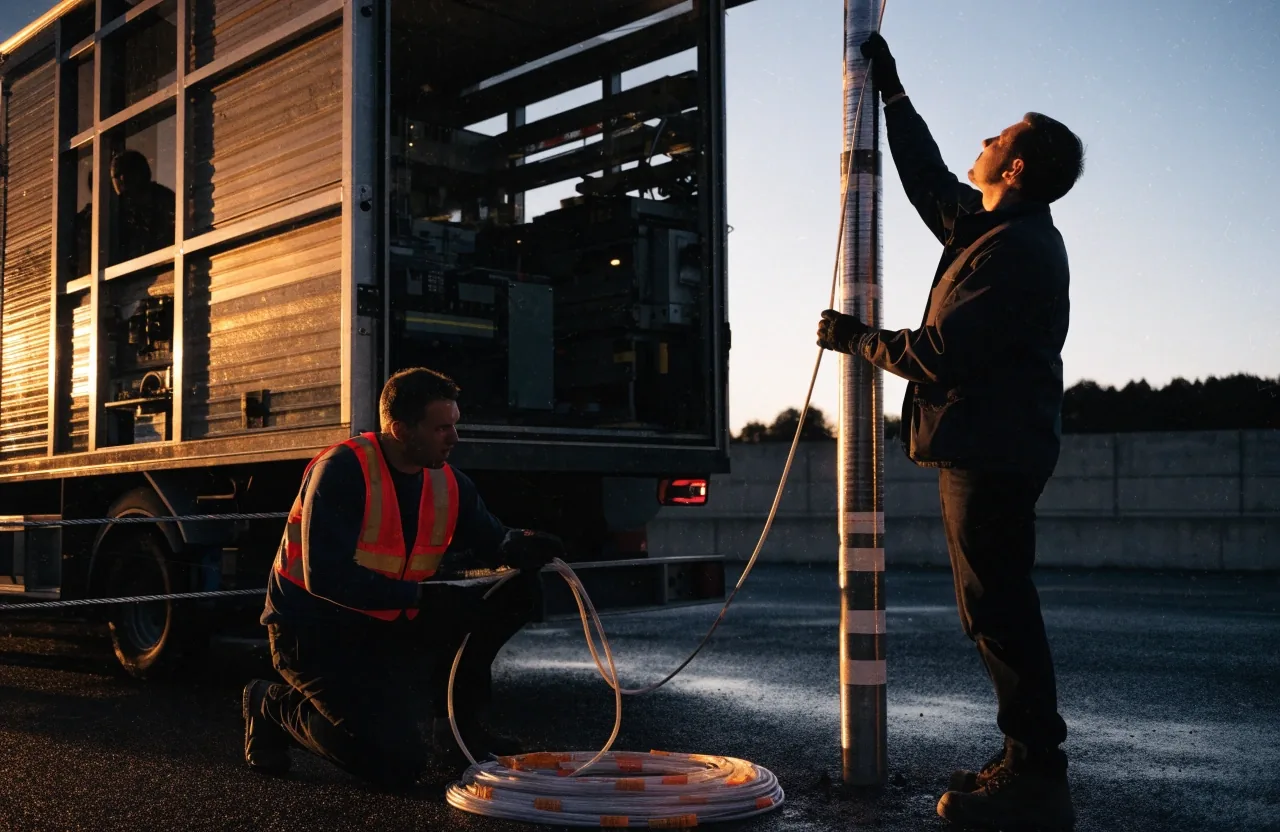
Terrestrial
Dense capacity in a small radius, low latency, steady throughput.
Satellite pass
Large footprint, shared capacity, throughput that shifts with geometry.
Phone limits
Antenna size and battery budget bound what the handset can hold open.
Where the capacity will land
Satellite coverage reaches places terrestrial networks do not, which is precisely where the service is most valuable for safety and basic communication. It is less likely to compete with fiber or cable in cities, where density makes terrestrial networks far cheaper per bit.
- Rural and remote areas
- Where no tower reaches, a satellite pass is the difference between a working phone and a dead zone. Safety messaging is the first real use.
- Highways and coastlines
- Corridors between coverage patches matter to travelers and to emergency response, even when the capacity stays thin.
- Dense cities
- Terrestrial networks win on cost per bit where buildings and poles are already in place. Satellite capacity here is a backup, not a replacement.
The auction rules will reveal whether regulators see the service as a rural complement or a broader market entry. That reading, more than the raw amount of spectrum on the block, will shape who competes for it.
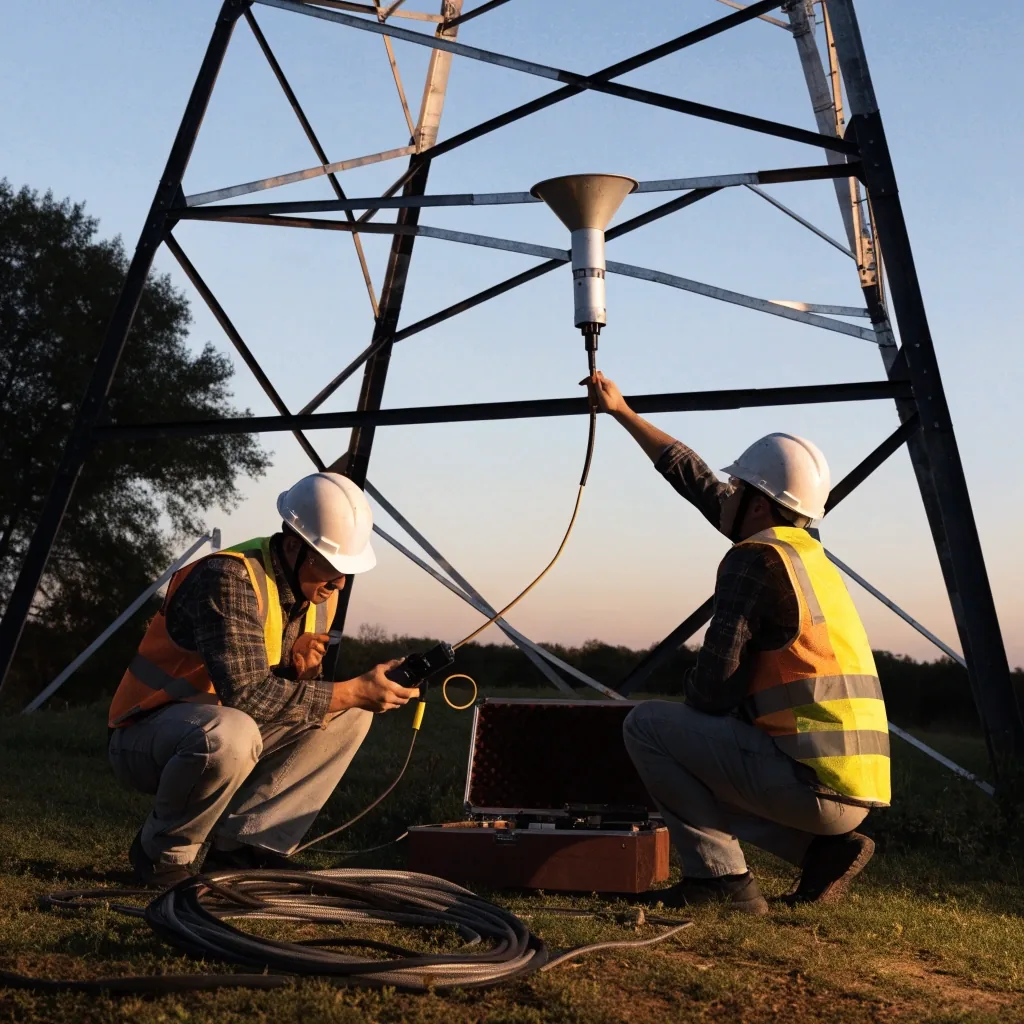
The October 29 agenda as a whole
The same meeting includes a vote on barring Chinese labs from testing devices sold in the U.S., and the plan would also affect certification bodies in countries that do not offer reciprocal treatment to American labs. Two unrelated items on one agenda still tell a story about how the commission is approaching the equipment and airwaves behind mobile service.
Equipment approval and spectrum licensing are separate processes, but they both decide what a carrier can put on a network and what a handset can connect to. Following one without the other leaves half the picture.
Read the lab-testing voteWhat to watch after the vote
Three threads carry this story past October 29. Each one produces a document you can read and a date you can mark.
The comment record
Arguments about interference and coordination with terrestrial networks will show which technical objections have real weight.
Build-out milestones
Final rules determine whether licenses turn into coverage. Look for the deadlines and the penalties attached to them.
Handset support
Manufacturers adding the relevant bands is the last link before a consumer notices any change on their own device.
Questions readers send this desk
Short answers to the parts of this story that come up most often in reader mail.
Does the October 29 vote award any licenses?
No. The vote opens the process, which means a comment period and rule drafting follow. Licenses move only after a final order and a bidding window that has not been scheduled.
Will satellite service replace my home internet?
Not on current capacity. Direct-to-device links are built around messaging and basic connectivity first. Fiber and cable keep the density advantage where they already run.
Why does a speed test matter in a spectrum story?
Measured results are how coverage claims get checked. Consistent, well-run tests on the ground show whether new capacity reaches the people it was meant to serve.
Where else does this desk cover spectrum policy?
The Spectrum and Policy sections carry the ongoing coverage, including the 7 GHz band study and the route changes affecting international traffic. Headline stories land on the News index.

Follow the October 29 votes as they land
Our desk will file on the auction item, the lab-testing vote, and what the final rules mean for coverage and for anyone running a speed test at home. Tell us what you are seeing on your own connection and we will fold it into the reporting.
Reach the desk at JesseGonzalez@lonnardjames.com or call +1 206 438 9529. Office hours are Monday to Friday, 9:00 AM to 6:00 PM.
Keep reading on this beat
Spectrum
Auction rules, band studies, and the licensing fights that decide who transmits where.
Policy
Commission agendas, equipment rules, and the paperwork behind mobile service.
Reading your speed results
What latency, jitter, and throughput actually say about the link you are on.
How to run a reliable speed test
Setting up a measurement worth keeping, from wired runs to repeat tests at the same hour.